

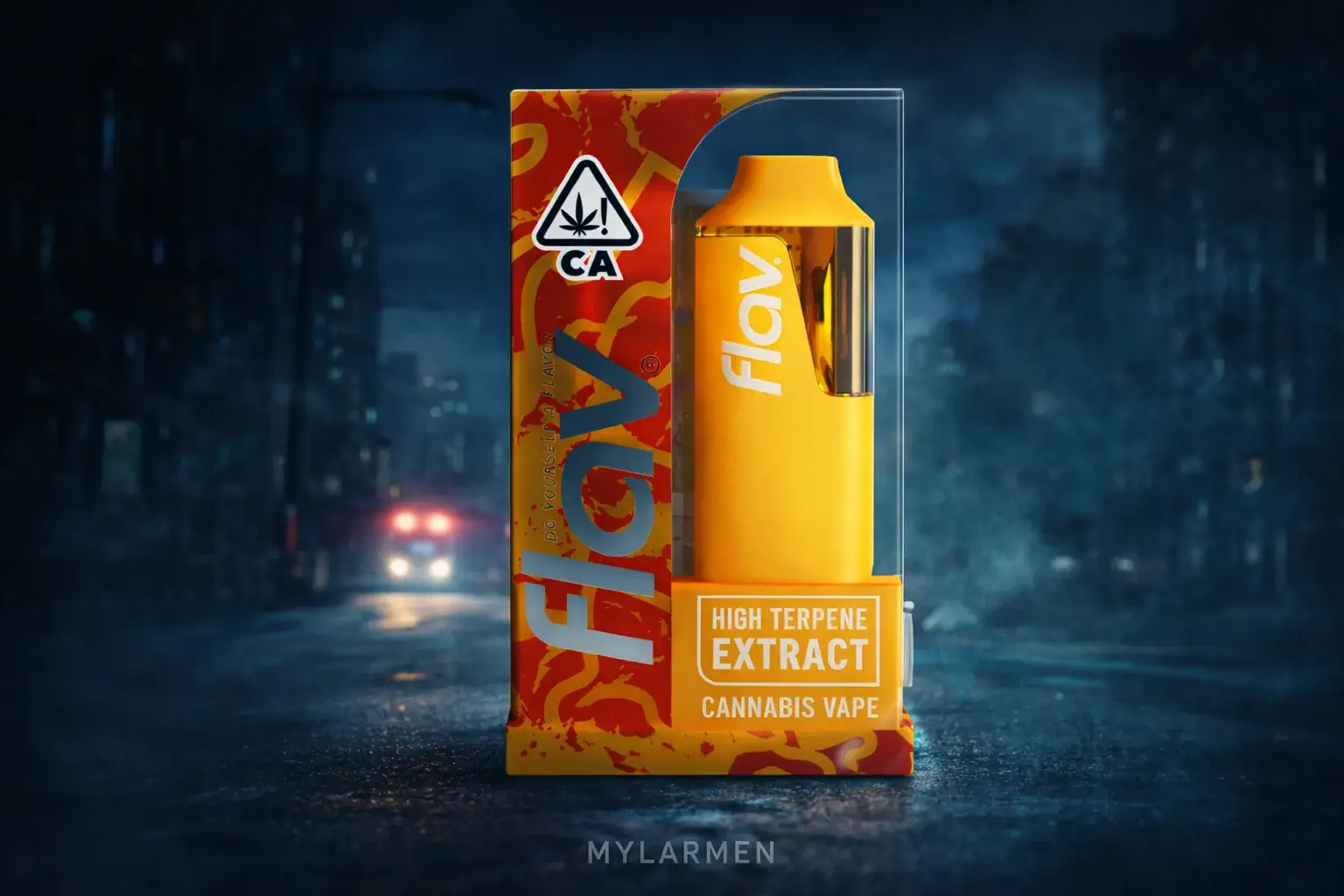
How to Print Labels That Sell Cannabis Products

by | Dec 21, 2025

Cannabis labels do more than meet legal requirements. They influence trust, clarity, and buying decisions. A good label doesn’t shout. It reassures. It helps someone pick your product without overthinking it.

To sell cannabis products, brands apply a mix of design, compliance, and practical production choices. Miss one part, and the whole thing feels off.

Let’s walk through what matters.

Start with what the label must do

Before thinking about colors or fonts, be clear about the job of the label.

It has three core roles:

  • Communicate the required information
  • Make the product easy to understand
  • Signal quality and legitimacy

If it fails at any of these, the design won’t save it.

Cannabis buyers are cautious. Many are still learning. Labels that feel confusing or sloppy create doubt fast. And doubt kills sales.

Compliance comes first (even if it’s boring)

Every region has its own cannabis labeling rules. THC warnings, symbols, dosage info, batch numbers, QR codes, testing details. You already know this part matters.

But here’s the thing: compliance affects design more than people admit.

If the required text feels crammed in as an afterthought, the entire label looks messy. Smart brands design around regulations, not against them.

Tips that help:

  • Reserve a clear area for mandatory info
  • Use consistent sizing and spacing
  • Don’t shrink text to “hide” it

Clear compliance actually builds trust. It tells buyers you’re legitimate and professional.

Clarity beats creativity every time

Cannabis shelves are noisy because everyone wants to look better. That’s fine, but clarity should always be paramount.

A customer should understand these things in under five seconds:

  • What the product is
  • What form it’s in (flower, edible, vape, topical)
  • Rough strength or effect category
  • Brand name

If someone has to waste their time to find information, you’re losing them.

This is critical for edibles and wellness products, where people should know about proper dosing and effects.

Choose fonts that don’t fight the product

Fancy fonts look good in mockups. In real life, under store lighting, they often fail.

Good cannabis label fonts are:

  • Easy to read
  • Consistent across products
  • Not trendy to the point of distraction

Script fonts, ultra-thin lines, or overly decorative type usually cause problems. Especially at small sizes.

A simple rule: if the font looks “cool” but hurts readability, it’s the wrong font.

Color supports the brand message

Bright colors can suggest energy or flavor. Muted tones often signal wellness or premium quality. Earth tones feel natural and calm. Black can feel serious or high-end.

What matters is consistency.

If every product uses random colors without logic, the brand feels chaotic. If color helps differentiate strains, effects, or product types, it becomes useful.

Printing reality check: colors on screen never match print perfectly. Always test.

Material choice affects perception more than you think

The label material is part of the product experience.

Glossy labels feel bold and loud. Matte labels feel modern and controlled. Textured materials can feel premium or natural.

But there’s more than feel.

Cannabis products deal with:

  • Oils
  • Moisture
  • Refrigeration
  • Handling

A label that smudges, peels, or bubbles damages trust instantly.

Choose materials that:

  • Resist moisture and oil
  • Hold ink cleanly
  • Stick well to your container type

And test them on real packaging, not samples.

The printing method changes the final result

Not all printing is equal. The method you choose affects cost, quality, and flexibility.

Common options include:

  • Digital printing for short runs and fast changes
  • Flexographic printing for large-scale production
  • Screen printing for bold, limited designs

For cannabis brands, flexibility matters. Regulations change. Formulas change. SKUs multiply.

Digital printing is often a smart starting point. It allows updates without huge costs and reduces wasted inventory.

But for high-volume products, other methods may make sense.

Finish details can quietly sell the product

You don’t need luxury finishes to sell cannabis. But subtle details help.

Things like:

  • Soft-touch laminate
  • Spot gloss on the logo
  • Embossed elements
  • Clean die cuts

These aren’t about flash. They’re about feelings.

When someone picks up the product, these details signal care and intention. That matters in a market where trust is still being built.

Don’t ignore how labels work in real stores

Labels don’t exist in isolation. They sit on shelves. They compete for attention.

Ask practical questions:

  • Is the label readable from arm’s length?
  • Does it still work under fluorescent lighting?
  • Does it look good next to competitors?
  • Does it look cheap when stacked?
  • Print test labels and view them in real conditions. What works on your desk might fail in-store.

    Print test labels and view them in real conditions. What works on your desk might fail in-store.

    Batch info and variable data need planning

    Cannabis labels often include variable data like:

    • Batch numbers
    • Harvest dates
    • Potency percentages
    • QR codes

    This data must be accurate and clean.

    Plan for how this information will be added. Will it be printed as part of the label? Added later? Overprinted?

    Messy stickers or crooked stamps undermine everything else you’ve done.

    Sustainability is no longer optional

    Many hemp product buyers care about sustainability. Not all, but enough.

    This doesn’t mean you need to go extreme. But small choices matter:

    • Recyclable label materials
    • Reduced ink coverage
    • Minimal packaging waste

    If sustainability is part of your brand, the label should reflect it quietly. No big claims needed. Just consistency.

    Consistency builds recognition over time

    One good label helps a sale. A consistent label system builds a brand.

    Use the same:

    • Typography rules
    • Layout logic
    • Color system
    • Information hierarchy


    This makes new products easier to recognize and trust. It also simplifies printing and scaling later.

    Consistency isn’t boring. It’s how brands grow.

    Test before you commit

    Always test.

    Print small batches. Apply labels. Handle them. Store them. Ship them.

    Look for:

    • Smudging
    • Peeling
    • Color shifts
    • Readability issues

    Fix problems early. It’s cheaper and less stressful.

    Selling starts with confidence

    A cannabis label doesn’t need to convince anyone of miracles. It just needs to feel honest, clear, and intentional.

    Printing labels that sell is about removing friction. Making decisions easy. And respecting the buyer.

    Get those things right, and the label does its job quietly.

    seen enouGH? let’s chat

    border-bottom