

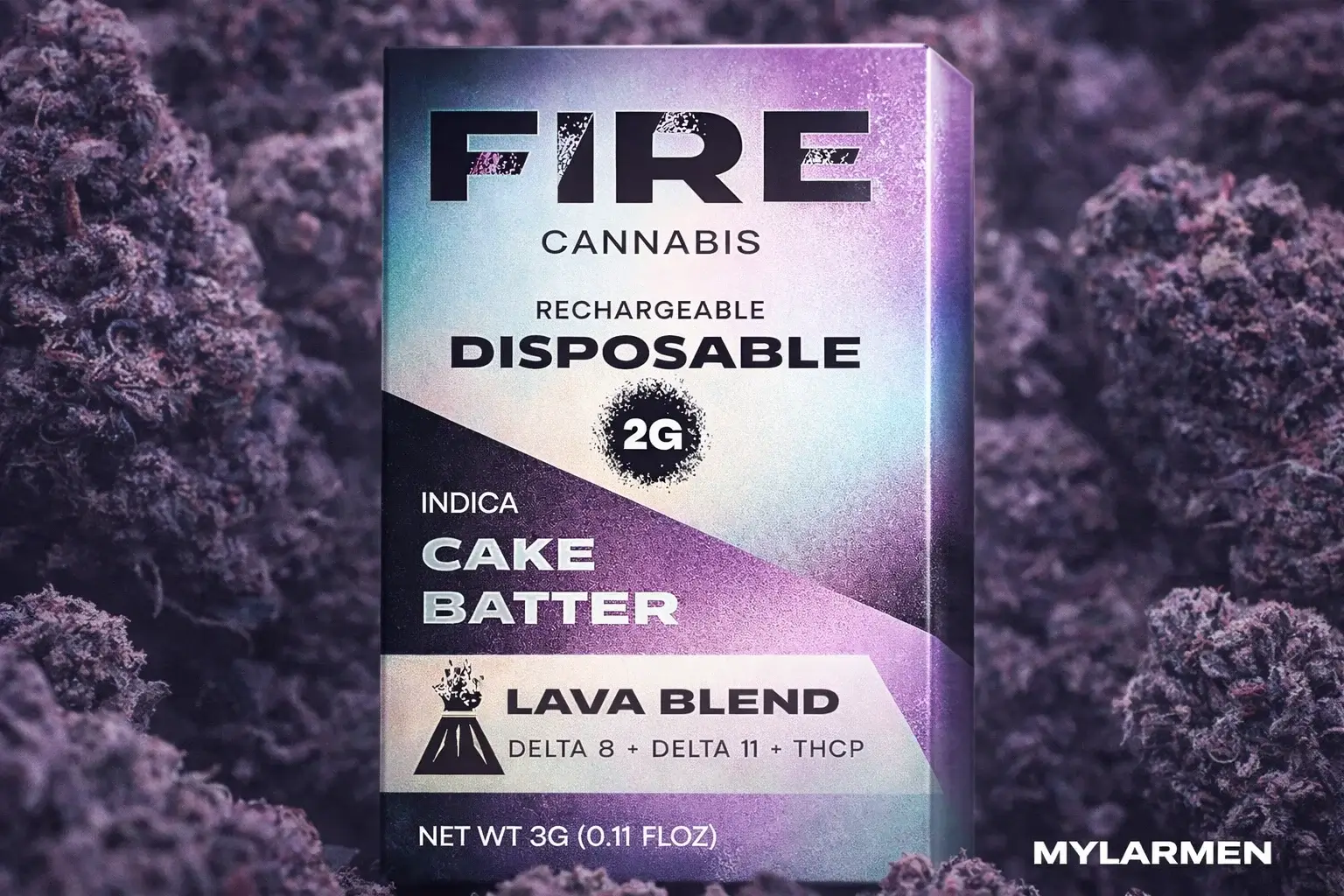
Minimalist Packaging: Why Less Is More in 2026

by | Dec 16, 2025

Minimalist packaging isn’t new. But in 2026, it finally feels mature.

 This isn’t about empty white boxes or copying Apple. It’s about clarity. About knowing what matters and cutting the rest. Brands are tired of shouting. Customers are tired of sorting through noise, and minimalism holds its place right in the middle of tension.

You know what? It works. In 2026, business decisions drive minimalist packaging.

Why minimalist packaging keeps winning

The simple answer: people trust it more.

Busy packaging looks like it’s trying too hard. Loud colors, endless claims, and oversized logos often trigger the same reaction: What are you hiding?

Minimalist packaging does the opposite. It feels calm. Controlled. Intentional. And that matters because consumers today are sharp. They scroll fast. They compare faster. If a package looks confusing or overdone, they move on.

Minimalism gives them a break. It also signals confidence. A brand that doesn’t explain itself in ten different ways usually doesn’t need to.

Less design, more meaning

Minimalism in 2026 is about choosing carefully. Modern minimalist packaging still communicates. It just does it with fewer elements:

  • One main color, not five
  • One clear message, not a paragraph
  • One focal point, not visual clutter

Every detail earns its place. Typography matters more. Materials matter more.

Spacing matters more. When there’s less to hide behind, quality becomes visible.

That’s why many brands moving toward minimalism are also upgrading materials and print finishes. If the box is simple, it can’t feel cheap.

Sustainability pushed minimalism forward

You can see a close link between minimalist packaging and sustainability, even if the goals differ.

Fewer materials often mean:

  • Less waste
  • Easier recycling
  • Lower shipping weight

In 2026, customers expect this by default. Not as a selling point. Just as common sense.

Minimalist packaging naturally supports this expectation. Smaller boxes. Fewer layers. No unnecessary inserts. No plastic windows, “just because.”

And brands don’t need to explain it loudly. The absence of excess already sends the message.

Digital-first brands changed the rules

Many minimalist packaging trends come from brands that grew online.

When your product is discovered on a phone screen, packaging plays a different role. It doesn’t need to compete on a shelf. It needs to look good in a delivery photo and feel good when opened.

That shift changed priorities:

  • Clean surfaces photograph better
  • Simple layouts look premium on social media
  • Neutral palettes age slower

In 2026, packaging is often designed for Instagram second, shelves third. Minimalism fits that reality perfectly.

Unboxing still matters, just differently

Minimalist doesn’t mean boring. It often creates better unboxing experiences, moving the focus from decoration to feeling.

Think:

  • Smooth textures
  • Thick paper
  • Precise folds
  • Subtle contrasts

The experience becomes slower and more intentional. You notice how the box opens. How the product sits inside. How everything fits.

There’s less “wow” and more “this feels right.” And that feeling sticks longer.

Minimalism helps brands scale

There’s a practical side too. Minimalist packaging can be expanded in products and markets. It has a simple design, enabling one to add new SKUs without having to re-design everything all the way up.

Numerous brands in 2026 are based on systems with identical box sizes, layout, and slight modifications in text or color.

This keeps production efficient and branding consistent.

It also reduces mistakes. Complex packaging increases the chance of errors. Minimal systems are easier to control.

Regulation quietly supports minimal design

Packaging laws are getting stricter. Especially around labeling, sustainability claims, and materials.

Minimalist packaging makes compliance easier.

Clear layouts leave room for required information without cramming it in. Fewer materials simplify documentation. Plain designs reduce the temptation to overpromise visually.

In 2026, brands that already operate with clean, honest packaging adapt faster to new rules.

Minimalism doesn’t mean generic

One risk brands worry about is sameness. White boxes. Black text. No personality.

That’s a fair concern. But minimalism doesn’t equal anonymity. Strong minimalist brands stand out through:

  • Distinct typography
  • Consistent tone of voice
  • Unique material choices
  • Subtle but recognizable symbols

The difference is that identity is quieter. It doesn’t shout. It repeats. Over time, that repetition becomes recognition.

Color is used with more intention

In 2026, minimalist packaging still uses color. Just not randomly. Instead of gradients and combinations, brands choose one core color and stick with it. Sometimes two, used carefully.

Color becomes a signal, not decoration. A muted green might suggest calm or nature. A deep red might signal confidence. A soft beige might feel warm and human.

When everything else is quiet, color speaks louder.

Typography carries more weight

With fewer visuals, words matter more. That is why typography is among the greatest distinctions in the minimalistic packaging today. The brands invest in their choice of fonts or typefaces that suit their character.

The tone is usually simple and direct. Short phrases. Clear naming. No exaggerated claims.

In 2026, good packaging copy sounds like a person, not an ad.

Minimalist packaging builds long-term trust

Flashy packaging can drive impulse buys. Minimalist packaging supports loyalty.

When the customers repeat the order, they desire to know and get reassured that they made the right choice initially.

Minimalism ages well. It doesn’t feel outdated after six months. It doesn’t rely on trends that fade quickly.

That stability builds trust. And trust builds repeat business.

Who benefits most from minimalist packaging

Minimalist packaging works especially well for:

  • Consumer goods with repeat purchases
  • Premium or mid-premium brands
  • DTC brands
  • Sustainability-focused companies
  • Products that rely on quality, not novelty

It’s less effective when the packaging itself is the main attraction, like children’s products or novelty items. But even there, brands are simplifying compared to past years.

What “less” really means in 2026

Less doesn’t mean empty.

It means fewer decisions for the customer. Fewer distractions. Fewer explanations.

It means the product doesn’t compete with its own packaging.

In 2026, minimalist packaging is about respect. Respect for attention, for materials, and for intelligence. Brands that understand this don’t need to convince anyone. Their packaging already says enough.

And that’s why less keeps winning.

seen enouGH? let’s chat

border-bottom