
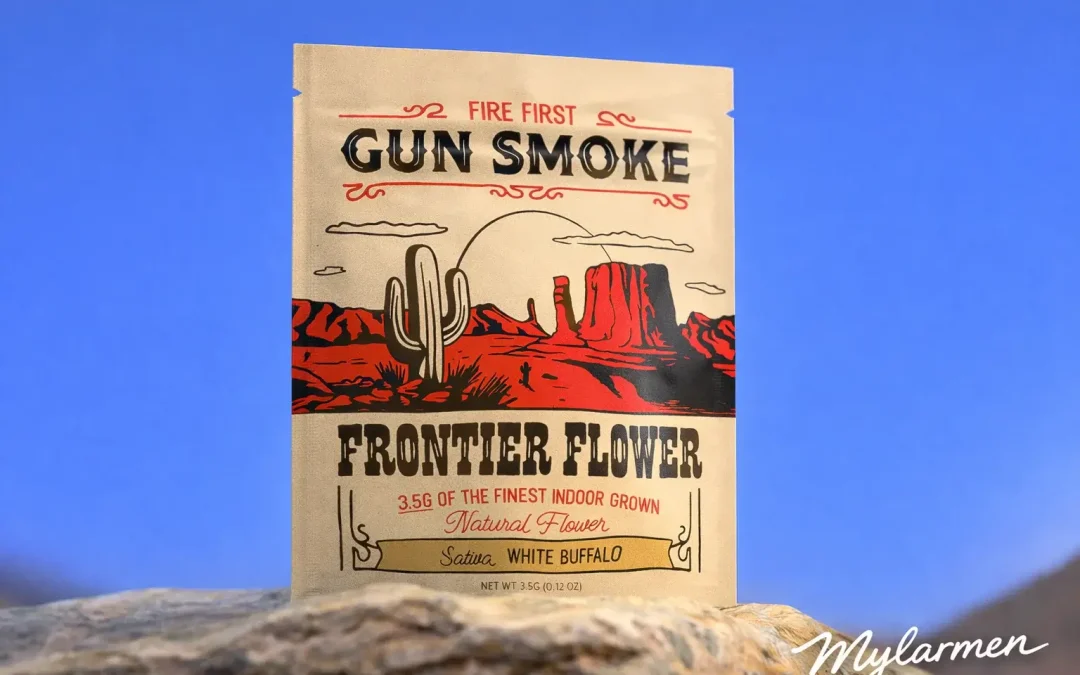
It is one thing to start a brand of THC-A flowers. Scaling it is another.
You find yourself at some stage taking too much time in weighing bags and placing labels. That is the time that you would use in selling, marketing, or simply maintaining the business.
That is where co-packing comes in.
What is THC-A flower co-packing?
Co-packing refers to the act of outsourcing to another company to do a section of your production. In this instance, it is the packaging side. You either grow the flower or purchase it from a grower. Then you send it to a co-packer. They take it from there.
They weigh it, pack it into your bags or jars, label the lot, and see that it is ready to sell. Others even comply to such a degree that you do not need to worry about the state regulations.
It is similar to outsourcing your dish to a kitchen to prepare your dish instead of doing it yourself and running the restaurant.
Why brands use co-packers
The main reason is simple. You will never be able to do everything yourself.
When you are small, it works best with hand-packaging. You and your friend can snatch a few hundred in one night. But once orders reach the thousands, then that collapses. Space, staff, and equipment are required. That would be costly and time-wasting to construct.
Co-packers are already well equipped with that. You do not bother about setting up, just sell.
Other reasons brands do it:
- A good co-packer moves fast. They have systems in place.
- Every bag looks the same. Equal weight, equal seal, equal position of the label.
- They know the rules. In case some labels are needed or child-resistant packaging is needed by your state, they take care of it.
- You can start small and increase with an increase in orders.
So what are the services of cannabis co-packers?
Every co-packer does not do the same thing. Some are full-service. Others are concerned with a single piece of the puzzle. Here’s what to look for.
Weighing and filling. This is the core. They pick bulk flowers and cut them up in your packaging. Some use machines. Some do it by hand. Ask how they ensure accuracy. Shorting customers is bad. It is worse to give a free product.
Labeling and compliance. They print and label, which is in compliance with state regulations. This involves warning signs, batch numbers, and expiry dates. In case there are labels that are incorrect, the product will remain on the shelves or will be pulled.
Packaging sourcing. Certain co-packers assist you in locating bags, jars, or boxes. They could have suppliers whom they trust. This spares you the cost of having to order 10,000 units of the wrong.
Storage and distribution. You will have a few co-packers who will carry your completed product and deliver it to stores. That would be convenient where there is no warehouse.
The question of how to select a suitable partner
The choice of a co-packer is a large one. You are handing over your product and reputation to them. Here’s what matters.
Experience with THC-A flower. Not all cannabis is the same. The THC-A flower requires handling. Inquire whether they have dealt with it. They may not pick up on the subtleties, in case they primarily deal with vapes or edibles.
Compliance knowledge. The regulations are dynamic in this sector. You should have your co-packer over them. Inquire of them how they deal with label changes or new packaging regulations.
Quality checks. You desire somebody who checks the product. They are supposed to examine the presence of mold, trimming problems, or anything that renders it unsellable. When they simply steal whatever you send, issues will elude.
Minimums. Some co-packers desire large orders. Some deal with minor brands. Be upfront about your volume. There is no use wasting time with someone who can only give 10,000 when you require 500.
Transparency. Can you visit the facility? Do they send samples first? An effective partner demonstrates how he or she works. In case they are confidential, turn their backs.
What it costs
Pricing varies. It is based on the complexity, service, and volume. Some charge per unit. Others have flat fees. Here’s a rough idea.
A simple package (weighing, filling, sealing) will cost you per bag or jar. Small runs cost more per unit. The bigger the quantity run, the lower the price.
In case they source your packaging to you, include those expenses. Personalized bags or printed boxes are more expensive than stock options.
Labeling could be or could be different. Same with compliance checks.
The trick is that there is a need to request a breakdown. You would like to know just what you are paying. Emerging charges occur within this industry. Don’t let them surprise you.
Questions to inquire about prior to signing
This list is not comprehensive, but it gives a general understanding:
- What do you do to have the correct weights?
- What does happen in case a batch does not comply?
- Can you handle rush orders?
- Do you offer storage?
- What’s your turnaround time?
- Can I see your facility?
- Who pays for mistakes?
Get everything in writing. Verbal contracts do not stand in case of mishap.
Making the switch
The transition to co-packing after being used to in-house is strange. You’re giving up control. However, when you choose the right partner, it then leaves you free to actually develop the business.
Start with a trial run. Send a little lot and have a feel of it. Examine the packaging by yourself. Order in-store to know what the customers receive. If it looks good, scale up.
Co-packing isn’t for everyone. There are brands that retain everything internally. But to the majority, it is the only means of getting out of their own path and matching the demand.
Get someone who understands your product, acts according to the rules, and gets them in on time. The rest gets easier.