
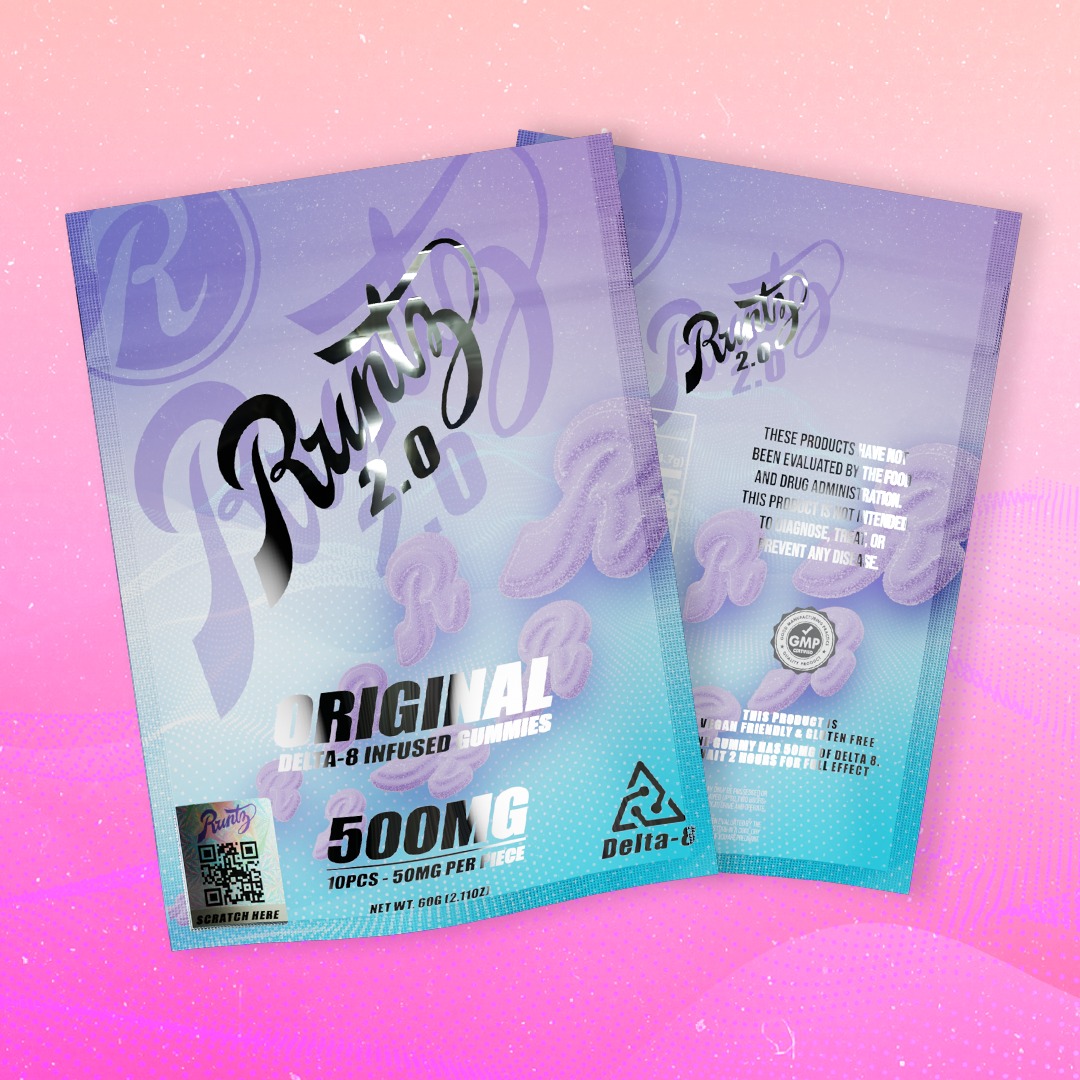
Edible Branding
Edibles are different from other cannabis products. They sit closer to food, so people judge them the same way they judge snacks or treats.
That changes everything.
It’s not just about potency or strain. It’s about flavor, mood, and how the product fits into someone’s day. Good edible branding understands that.
Start with a clear story
Every edible needs a simple idea behind it.
- Is it for relaxing at night?
- For social moments?
- For focus or creativity?
If that’s not clear, the product feels generic.
The story doesn’t have to be complex. It just has to be consistent.
For example:
- Calm, low-dose gummies for evening wind-down
- Bright, fruity chews for daytime energy
- Indulgent chocolate for a moment of treat
Reach out for custom edibles packaging, label design, and compliant branding solutions.
The packaging, colors, and tone should all support that idea.
People don't just buy effects. They buy the feeling around them.
Flavor is part of the brand
In edibles, flavor isn't a detail. It's central.
The way you present flavor matters as much as the flavor itself.
Simple names work best:
Or slightly elevated versions:
What doesn't work is confusion. If people don't understand the flavor quickly, they move on.
Visuals should match the taste. Bright fruits, rich tones, clean cues.
If it looks artificial, people expect it to taste artificial.
And if expectations don't match reality, they don't come back.
Color psychology shapes appetite
Color drives first impressions.
Warm colors—like red, orange, and yellow—tend to increase appetite. That's why they're common in food packaging.
Cool colors—like blue or green—can signal freshness, calm, or health.
For edibles, color needs to match both flavor and effect. For example:
But it's not just about flavor.
Color also signals strength and mood. Softer palettes can suggest low-dose or beginner-friendly. Darker or more intense colors can signal stronger products.
It's subtle, but people pick up on it.
Appetite-driven design
Edibles should look appealing enough to eat.
That sounds obvious, but it's easy to miss. Design should:
Soft shapes, rounded fonts, and balanced spacing help.
So does avoiding clutter. Too much information or too many elements can make the product feel less like food and more like a supplement.
The goal is simple: make it look like something you want to try.
Dosage clarity builds trust
This is one of the most important parts.
With edibles, dosage matters more than with most other formats. Effects take longer and last longer.
So people need clear information. That includes:
This should be easy to find. Not hidden in small text. Some brands also use visual cues:
If someone has to guess, it creates risk. And risk reduces trust.
Clear dosage leads to better experiences. Better experiences lead to repeat purchases.
Packaging formats that fit the product
Edibles come in different forms, and the packaging should match. Common options include:
Flexible, lightweight, and easy to store. Good for gummies or small pieces. Often resealable.
More durable and reusable. Work well for mints or premium small-batch products.
Used for chocolates or higher-end items. Offer more space for design and storytelling.
Each of them sends a different signal. A pouch feels casual and convenient, a tin feels solid and collectible, and a box feels more like a gift or premium item. The choice depends on how you want the product to be perceived.
Lifestyle positioning
Edibles often connect to routines.
Evening relaxation. Weekend socializing. Quiet moments alone.
Branding should reflect that. This can show up in:
For example, a product aimed at relaxation might use softer colors, simple layouts, and calm messaging.
A social product might feel brighter, more playful, more energetic.
It's not about saying everything directly. It's about creating a feeling.
People should see the product and think, "this fits my moment."
Building emotional connection
Edibles are personal. People remember how they felt when they used them.
So branding should aim to connect on that level. Small things help:
It's not about being loud. It's about being familiar.
When people recognize your product quickly and feel comfortable with it, they're more likely to choose it again.
Standing out without confusion
Dispensary shelves are crowded.
You need to stand out, but not at the cost of clarity. That means:
If a design is too abstract or complex, people won't spend time figuring it out.
They'll move on.
The best edible branding is easy to understand in a few seconds.
Consistency across products
If you have multiple flavors or variants, they should feel connected. This can be done through:
This helps people recognize your brand, even if they're trying a new flavor.
Consistency builds familiarity. Familiarity builds trust.
Bringing it together
Edible branding sits at the intersection of food, cannabis, and lifestyle. It needs to:
Color, structure, and packaging format all play a role.
So does tone.
When it works, people don't just try the product once. They come back.
Because they know what to expect—and they like how it fits into their routine.
Reach out via WhatsApp for the fastest response, or call directly.
Frequently Asked Questions About Edible Branding
What is edible branding?
It’s branding you can eat. Think logos, messages, or designs printed directly on food or edible products. It turns the product itself into part of the brand experience.
What kinds of products can use edible branding?
Mostly food and drink items. But it also works with things like supplements, cannabis edibles, and other consumables. If people eat it, it can carry your branding.
Is edible branding safe?
Yes, when done right. It uses food-grade materials and follows safety rules. That’s key, especially in regulated industries like cannabis.
Does it affect taste or quality?
No, not in a noticeable way. The goal is to add branding without changing how the product tastes or feels.
Why use edible branding instead of regular packaging?
Because it stands out more. Packaging gets thrown away. The product itself doesn’t. It creates a more direct connection with the customer.
Can edible branding help my business grow?
It can. Strong branding helps people remember you and builds trust. That matters in crowded markets.
Is edible branding legal?
It depends on your industry and location. Some products, like cannabis, have strict rules. You need to make sure everything stays compliant.
Can I customize the design?
Yes. You can choose colors, logos, patterns, or even custom messages. The goal is to match your brand exactly.
How long does edible branding last?
It usually lasts as long as the product itself. It doesn’t wear off easily under normal conditions.
How do I get started?
You start with your idea. Then it’s about design, materials, and making sure it fits your product and market. A branding partner can handle the rest.