
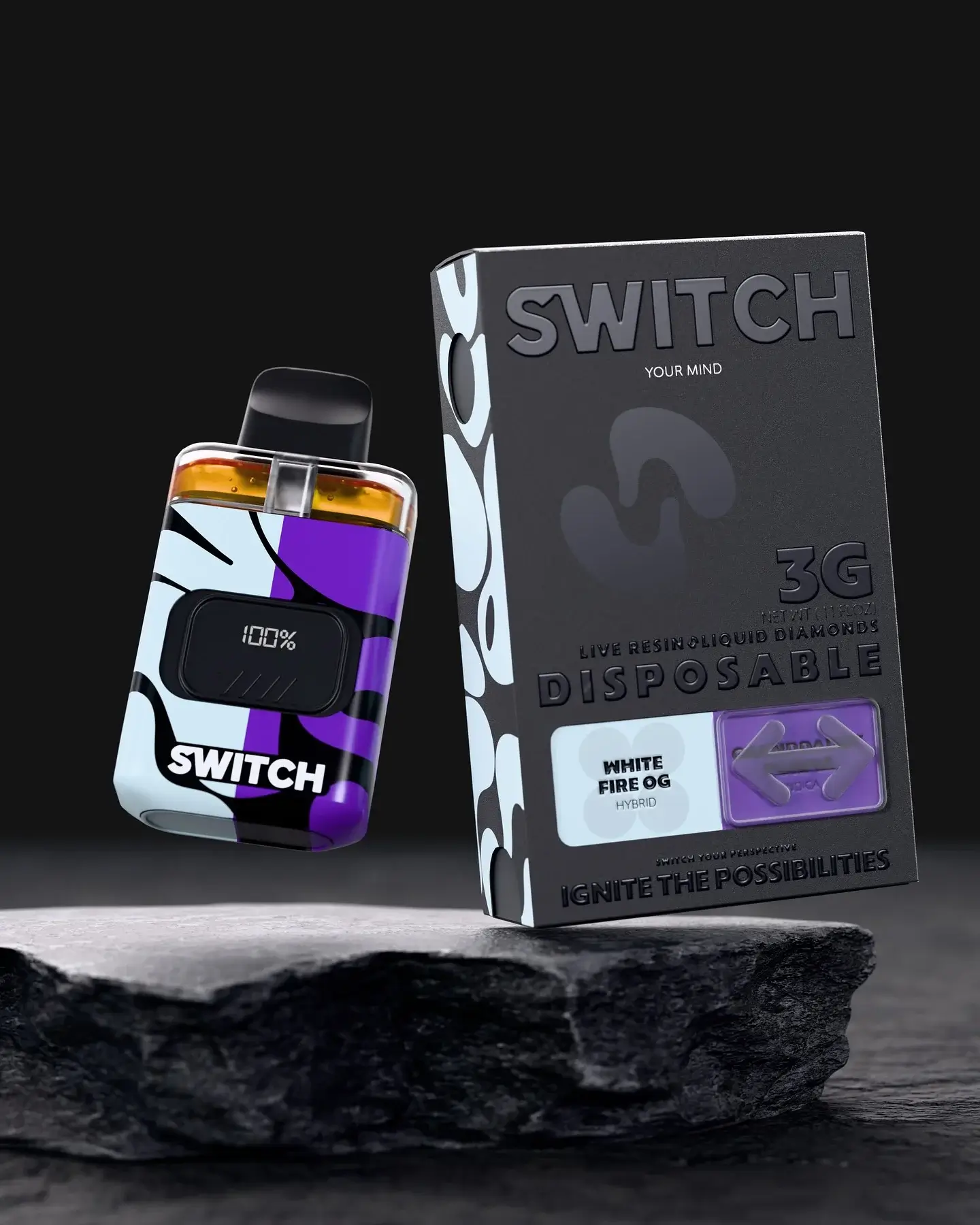
Disposable Vapes
Disposable vapes are built around one idea: keep it simple. Use it, then throw it away. That same idea carries over to packaging and design. Everything needs to be easy, compact, and clear. But at the same time, it has to feel solid, safe, and worth picking up.
Packaging for disposable vapes sits in a weird middle ground. It’s not as long-term as reusable devices, but it still matters a lot. First impressions come from the box, not the device itself. And in a crowded market, small design choices can make a big difference.
Portability Comes First
Portability is the first thing to get right. These products are meant to be carried around. So the packaging should match that. Slim boxes, light materials, and no wasted space. If the box feels bulky or awkward, it already works against the product. A clean, pocket-friendly shape works best. Most brands stick to narrow rectangular boxes because they stack well, ship easily, and feel familiar in hand.
Compact but Protected
But portability doesn’t mean fragile. The product still needs protection. Disposable vapes can leak, crack, or get damaged if packed poorly. So the inner structure matters. Inserts, trays, or molded holders keep the device in place. It shouldn’t move around inside the box. When someone opens it, the vape should sit clean and centered, not rattling loose.
Safety and Compliance
Safety is another big piece. This is not just a lifestyle product. It’s something with a battery, liquid, and heating element. Packaging has to reflect that. Tamper-evident seals are common now, and for good reason. People want to know the product hasn’t been opened or messed with. A simple seal sticker or tear strip does the job.
Child-Resistant Design is a Must
Child resistance is also becoming standard in many markets. That changes how boxes are designed. You might see push-and-slide openings or locking flaps. These aren’t always exciting from a design point of view, but they’re necessary. And if done well, they don’t ruin the experience. It just takes some thought to balance safety with ease of use.
What Are the Labeling Requirements
This part is less about design and more about rules. But it still shapes the look of packaging. Most regions require:
- Clear warnings
- Nicotine content info
- Ingredient details
Some places also require large warning labels that take up a big part of the box.
That limits how much space is left for branding. So designers have to work around it. You can’t hide the warnings, but you can still build a strong look. Color, layout, and typography become more important here. A clean design can make even a heavily labeled box look organized instead of cluttered.
Branding and Visual Identity
Branding is where things get interesting. Disposable vapes don’t have a long lifespan, so the packaging has to do more of the storytelling. It needs to show what the brand stands for in a quick glance. That might be through color systems, simple icons, or consistent naming.
A lot of brands use color to signal flavor. It’s an easy shortcut. Blue for mint, red for berry, yellow for citrus, and so on. It works because people recognize it fast. But it can get repetitive. So some brands push further with gradients, patterns, or more muted tones to stand out.
Minimalism is a big trend right now:
- Clean boxes
- Soft colors
- Simple fonts
No heavy graphics. Just the name, the flavor, and a small logo. It feels more modern and a bit more premium. It also works well with regulatory limits, since there’s less visual clutter to begin with.
But not every brand goes that route. Some still lean into bold designs. Bright colors, big logos, and strong contrasts. This can work too, especially in markets where shelf visibility matters. If everything looks clean and minimal, a louder design can grab attention faster.
Materials and Finish
Material choice also plays a role in how the product is perceived. Most disposable vape packaging uses paperboard or cardboard. It’s cheap, easy to print on, and recyclable in many cases. That’s important as more people think about waste.
Still, sustainability is a tricky topic here. The product itself is disposable, so the packaging can’t fully solve that. But it can reduce impact. Thinner materials, less plastic, and simpler structures help. Some brands also avoid extra layers like plastic wraps or foam inserts.
There’s also a shift toward matte finishes instead of glossy ones. Matte feels softer and more modern. It also hides fingerprints better. Small detail, but it matters when people handle the box in stores.
How the Unboxing Experience Matters
Unboxing experience is another piece that’s grown in importance. Even for disposable products, people notice how something opens. A smooth tear strip or a clean flap can make it feel more polished. It doesn’t need to be fancy. Just not frustrating.
Inside the box, things should stay simple. One device, maybe a small leaflet, and that’s it. No clutter. The more direct it feels, the better. People aren’t looking for a long setup process. They want to open it and start using it right away.
What Are the Main Trends for Disposable Vapes Market
Regulation keeps shaping this space. Rules change often, and packaging has to keep up. That means designs need to be flexible. If a new warning label is required, it shouldn’t break the whole layout. Smart brands leave room for that from the start.
Visual and Language Restrictions
Some regions also restrict certain visuals or language. For example, anything that might appeal to minors is usually off-limits. That affects color choices, illustrations, and even product names. So designers have to think ahead and avoid risky elements.
Tech is King
Technology is starting to show up in packaging too, but in small ways. QR codes are common now. They can link to product info, lab tests, or brand pages. It keeps the box clean while still giving access to more details. It’s also useful for authenticity checks.
New Security Features
Counterfeiting is a real issue in this market. So packaging often includes small security features. Holographic stickers, unique codes, or scratch panels. These don’t need to be complex, just enough to help users verify the product.
Product Line Consistency
Another trend is consistency across product lines. Brands want every flavor or variant to feel like part of the same family. That means using the same layout, font, and structure, with small changes for each version. It builds recognition over time.
Limited Editions
At the same time, there’s room for limited editions or special runs. These can break the usual design rules a bit. New colors, seasonal themes, or collaborations. It keeps things fresh without changing the core identity.
How to Balance Cost and Quality
Cost is always in the background. Disposable vapes are price-sensitive products. Packaging can’t be too expensive. That limits how complex things can get. No heavy materials or complicated structures. The challenge is to keep it simple without making it feel cheap.