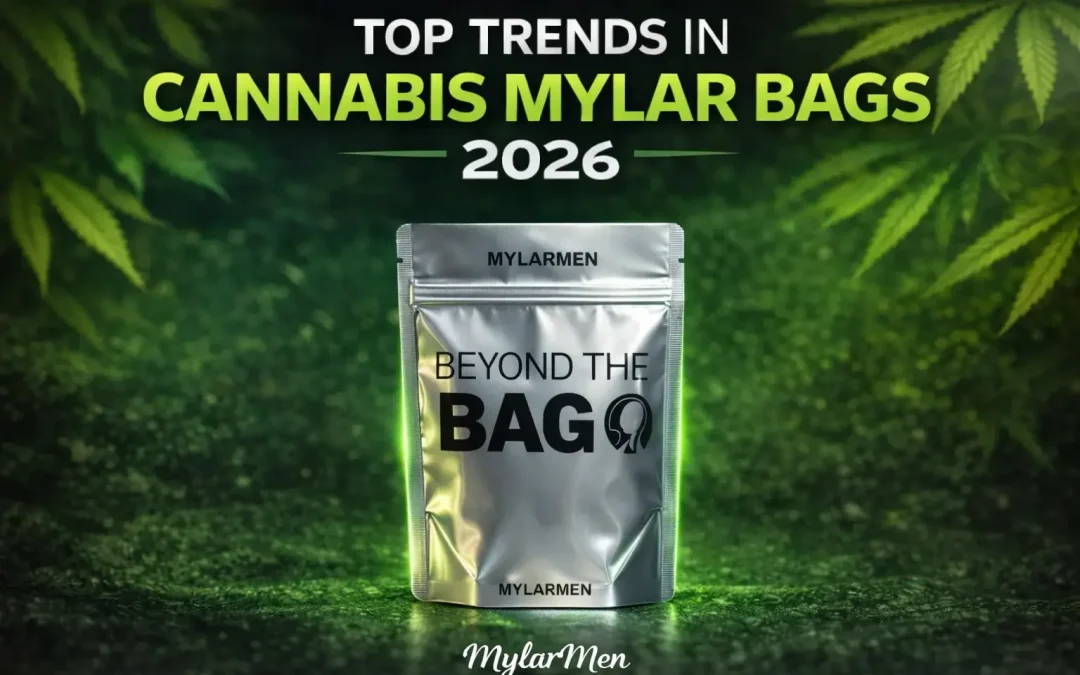
Cannabis packaging keeps changing. Fast. What worked two years ago already feels dated. By 2026, Mylar bags will ben’t just containers. They’re part of how a brand looks, feels, and stays compliant.
This isn’t about flashy design for the sake of it. It’s about function, trust, and small details that signal quality. Let’s look at the trends shaping cannabis Mylar bags in 2026, and why they matter.
Simple Design is Still Winning
Busy packaging is fading out.
In 2026, most cannabis Mylar bags are clean and restrained. Fewer colors. More white space. Clear type. Brands are realizing that customers don’t want to decode a package. They want to understand it in seconds.
This doesn’t mean boring. It means intentional.
You’ll see:
- One main color instead of five
- Strong contrast for strain names
- Clear hierarchy between brand, strain, and THC info
And yes, some brands still go loud. But the ones growing long term are dialing things back.
Matte Finishes Over Glossy Shine
Glossy bags had their moment. Matte is taking over.
Matte Mylar bags feel more premium. They don’t glare under store lights. They photograph better. And they feel more modern in hand.
In 2026, many brands combine matte finishes with small glossy accents. A logo. A strain icon. A thin line. That contrast draws attention without shouting.
It’s subtle. And it works.
Softer, More Natural Color Palettes
Neon greens and harsh blacks are losing ground. Brands are moving toward:
- Earth tones
- Muted greens
- Warm grays
- Soft beige or sand colors
This shift isn’t random. It reflects how cannabis is being positioned. Less “counterculture.” More everyday wellness or lifestyle products.
Even recreational brands are calming things down. The goal is approachability, not shock value.
Better Child-Resistant Features
No one likes fighting with packaging.
In 2026, child-resistant Mylar bags are still required in most markets. But the designs are improving. Brands and manufacturers are focusing on mechanisms that are secure but not annoying.
Expect:
- Smoother zipper tracks
- Clear open/close instructions printed on the bag
- Less force required to reseal
This matters more than people think. If a bag is annoying, customers remember. And not in a good way.
Clear Windows are Coming Back
For a while, windows disappeared because of compliance concerns. Now they’re returning, but in smarter ways.
Small, narrow windows. Frosted instead of clear. Placed low on the bag, not front and center.
Why? People still want to see the product. Especially flowers. A tiny visual cue builds trust without breaking regulations or design balance.
In 2026, the trend is controlled transparency. Not full exposure.
More Focus on Texture and Feel
Packaging isn’t just visual anymore. It’s tactile. Brands are experimenting with:
- Soft-touch coatings
- Raised ink
- Embossed logos
- Subtle texture patterns
These are details that are silent but persist. It is an indication of good stuff, even before the product is opened, when the bag feels good in the hand.
This is particularly in the case of mid-to-premium brands that do not desire to be overbearing in graphics.
Sustainability without Greenwashing
Sustainability talk is everywhere. But customers are tired of vague claims. In 2026, cannabis brands are being more specific. Instead of “eco-friendly,” you’ll see:
Recyclable where facilities exist
- Reduced material thickness
- Mono-material Mylar structures
- Clear disposal instructions
Fully compostable Mylar bags are still rare and expensive. But lighter, smarter materials are becoming standard.
Brands that overpromise on sustainability risk losing trust. Honesty is the trend here.
Compliance Information that Doesn’t Ruin the Design
Warning labels aren’t going away. But how they’re handled is changing. Instead of slapping a giant block of text on the front, brands are:
- Moving warnings to the back or side
- Using softer contrast while staying compliant
- Aligning label layout with overall design
In 2026, good packaging design plans for compliance from the start. It doesn’t treat it as an afterthought.
QR Codes with a Real Purpose
QR codes are everywhere. But now they actually do something. Instead of linking to a generic homepage, cannabis Mylar bags in 2026 use QR codes for:
- Lab results
- Batch info
- Strain origin
- Brand story or growth process
The key trend is restraint. One QR code. One clear reason to scan. No clutter. If it doesn’t add value, brands are leaving it off.
Smaller Batch and Limited-run Designs
Another noticeable shift is flexibility. Brands want Mylar bags that work for short runs, seasonal drops, or collaborations. That’s pushing demand for:
- Digital printing
- Faster turnaround times
- Custom sizes for specific products
Limited-run packaging creates urgency without changing the core brand look. In 2026, this approach is common, especially for drops tied to new strains or harvests.
More Readable Fonts
This sounds obvious. But it matters. Thin, decorative fonts are being replaced with:
- Clean sans-serif type
- Slightly heavier weights
- Better spacing
The reason is simple. People read cannabis packaging quickly. In stores. In bad lighting. Sometimes behind glass. Readability wins.
Less Symbolism, More Clarity
We’re seeing fewer random icons. Fewer abstract patterns with no meaning. Instead, brands are focusing on clarity:
- What strain is this?
- Is it indica, sativa, or hybrid?
- How strong is it?
In 2026, cannabis Mylar bags are less about mystery and more about confidence. Brands trust that the product can speak for itself.
Packaging that Feels “Normal”
This might be the biggest trend of all. Cannabis packaging is starting to look normal, like coffee or tea. That’s intentional.
The packaging goes hand in hand with the increased mainstream of cannabis. Mylar bags in 2026 will be oriented to fit in everyday life and not to become an exception.
And honestly, that’s a sign the industry is growing up.