
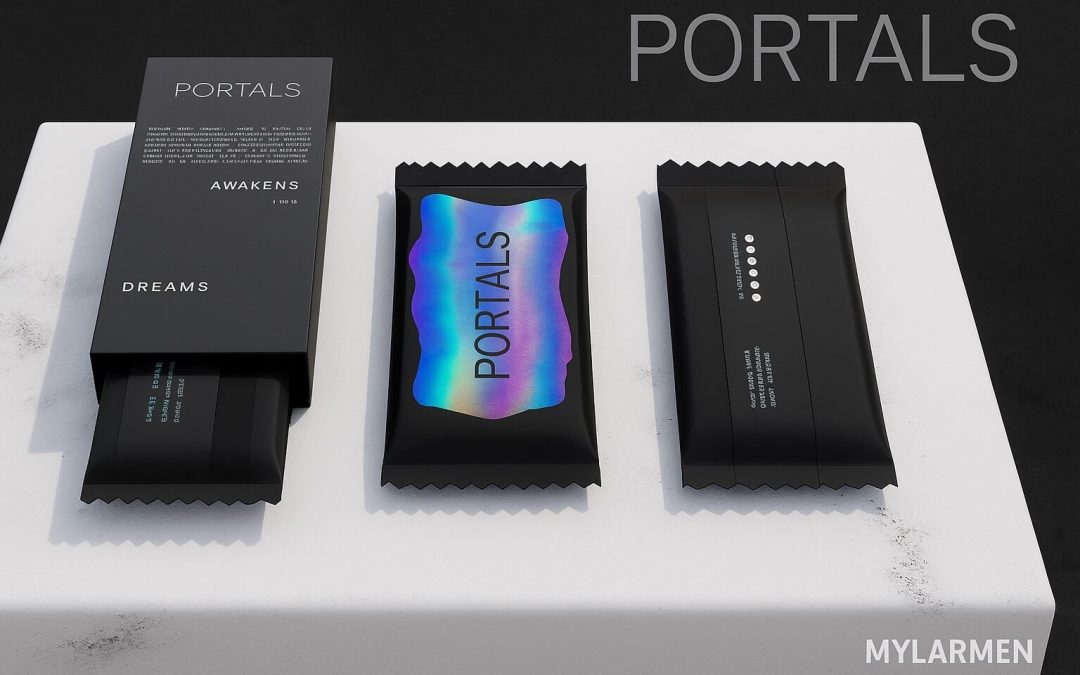
Besides optimizing display, shelf life, and protection of the contents on the way to the user, packaging is a fundamental component of brand perception and promoting your product. However, it isn’t just an expertly coordinated combination of design elements that makes a powerful impression on your potential and repeat customers.
Your product can elicit smiles, transmit your messages, reflect brand values, and reinforce environmental awareness through your choice of packaging material types. These are much more than a plain canvas for imagery and product info.
Keep reading to get a feel for different material options and what they can do for your business.
Different types of packaging materials that have always been there
There’s more choice than ever, whether you are looking for a suitable material for securing your goods with regards to:
- Specific retail or shipping conditions
- Brand showcasing goals
- Communicating your values
- Elevating the unboxing experience
Let’s start with the options that have been the mainstay of packaging for decades.
Glass
This material is still prized for its premium appeal (think colored or textured glass), along with its impermeability and non-toxicity. This yields unmatched shelf stability and the purity of the contents. It’s a high-end option and one of the safest for direct contact with the product.
Glass is recommended whenever your priority is maintaining quality and freshness while ruling out the chances of imparting any external flavor or contaminants from the packaging. That said, the weight and fragility of glass drives up the risks and transportation costs. So, it is not a good choice for products that require extensive shipping and handling.
As of itself, glass has a low environmental impact due to being reusable and fully recyclable. However, it requires additional protective types of packaging, such as bubble wrap, corrugated cardboard, foam, or other cushioning materials and inserts.
Plastic
Plastic is a lightweight alternative to glass that is resistant to moisture and a plethora of external factors. This type of packaging is a combination of durability and versatility and is affordable for small and large-scale businesses. It comes in a range of colors, opacities, and flexible or rigid forms for primary and secondary packaging layers:
- Bottles, jars, or tubes
- Containers
- Bags and pouches
- Blister packs
- Wrap
- Packing peanuts
It’s not all roses, though. The popularity of plastic began to dwindle due to various environmental concerns, especially those of microplastics (tiny particles it breaks into) contaminating waterways.
Paper
Made from renewable resources, paper is a biodegradable, recyclable, and budget-friendly choice. No wonder it is a conventional option for bags, wrappers, or compressed and multi-layered types of packaging materials:
- Solid bleached sulfate (SBS) paperboard
- Clay coated news backboard (CCNB)
- Cardboard
- Folding box board (FBB)
- Natural Kraft paperboard
Despite the common concerns that paper is less sturdy and durable than other kinds of packaging materials, you have a choice of paper grades and types of surface treatments to achieve the required properties. They give you feasible options for the sought-after strength, thickness, and structural stability.
Innovative types of packaging materials
While paper is highly customizable, multi-ply paper materials are often not flexible enough to adopt the desired style or shape to align with your creative pursuits. Another downside of paper packages that limits their use is susceptibility to tearing, moisture, and humidity.
The good news is that advanced technologies can turn this material into a more stable and durable one through coatings or enhancements with other materials, such as wax, plastic, or aluminum foil. Creating multi-layer, combined-material packaging yields options with unique properties and convenience of use for:
- Cartons
- Composite cans
- Resealable laminated pouches
- Flexible bags with zippers or fitments
Thus, different kinds of packaging with a paper exterior and reinforced internal layers can be engineered with specific product requirements in mind or to match your customization and branding goals. The indisputable advantage of such composites is their versatility and augmented resistance to external factors like odors, moisture, oxygen, and light.
On the flip side, recycling is a tall order for combined-material packages. The thing is that the layers and inserts composites are made of aren’t easy to separate.
Eco-friendly approach and sustainable-design favorites
In 2024, brands and products are increasingly judged not only by the visual appeal and quality of their packages but also by their environmental footprint. The focus of packaging design is now on sustainable, recycled, or reusable materials and the messages they disseminate.
Are you keen on showcasing your brand’s environmental commitment through sustainable packaging or appealing to certain target groups? Consider using these as your package components:
- Biodegradable plastics (made from corn starch, cellulose, algae, or sugarcane)
- Kraft paper tubes
- Plant-based and compostable wrapping (made from hemp, mycelium, cane, bamboo, or vegetable pulp)
- Recycled or upcycled materials
The adoption of sustainable materials can have visible and less visible benefits, each gaining their due recognition. It can refine your brand perception and unboxing experience at the same time.
Remember that some of these materials are mass-produced and suitable for automated packing services, while others are not.
Key takeaways
Settling on the best packaging material type may be a tricky balance between functionality, durability, innovation, and regulatory compliance. Whether you are looking to optimize the consumer’s perception of the product, reduce shipping risks or costs, or encourage brand loyalty, MYLARMEN has a background in manufacturing and can bring everything together into a winning solution.
Depending on local regulations and product characteristics, such as size, weight, fragility, and sensitivity, you may have little choice when opting for package solutions that provide adequate protection. The ease of disposal and the types of local recycling systems or facilities should be considered as well.
As eco-consciousness becomes an inherent part of buying decisions, you can gain a competitive edge by aligning your branding with your audience’s values and incorporating biodegradable or recycled materials into your packaging. This can be both a strategic move and a way to introduce unique shapes and textures into what you have to offer.