
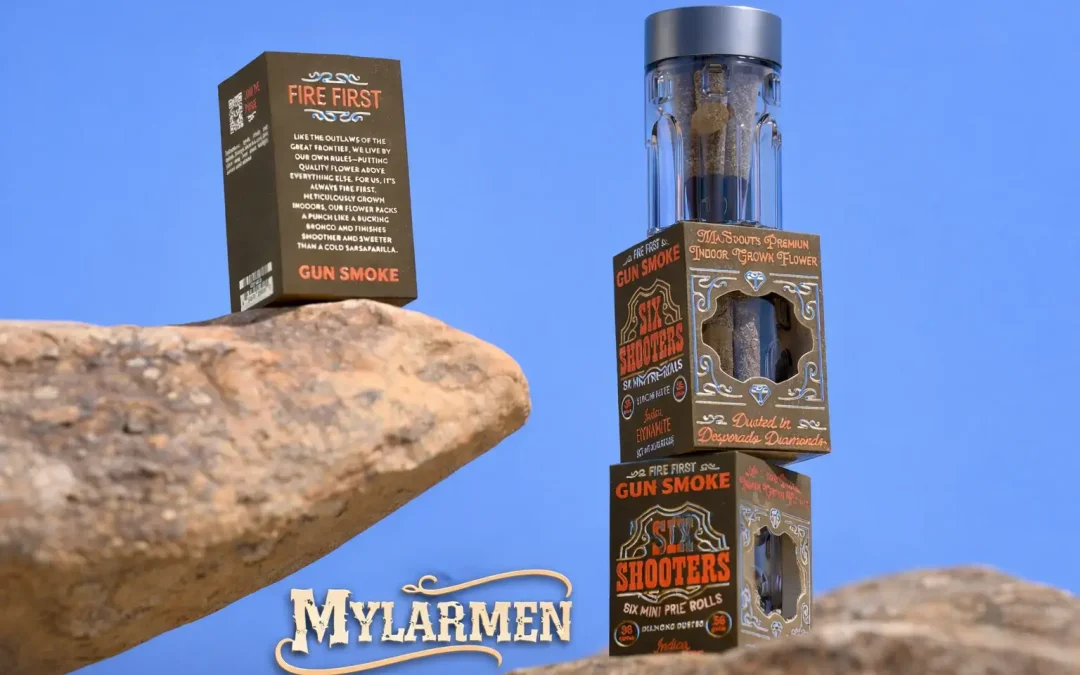
THCa labels for jars sound boring until you actually have to make them. Then you realize they do a lot more than just show a name and a percentage.
A good label keeps you compliant. It keeps customers from getting confused. And it saves you from problems you don’t want.
Let’s walk through what actually matters.
What a THCa jar label is really for
At the most basic level, a label answers three questions:
- What is this?
- How strong is it?
- Is it legal to sell here?
That’s it.
If a customer has to guess, the label failed.
If a regulator has to squint, the label failed.
If your own staff keeps asking what’s inside the jar, the label really failed.
THCa products sit in a weird space. They look like cannabis and smell like cannabis. But legally, they’re sold as hemp-derived products.
Your label has to reflect that reality clearly and consistently.
THCa vs THC: why wording matters
This is where most brands mess up.
THCa is not the same as delta-9 THC, but heat turns THCa into THC. Everyone knows this. Regulators included.
Your label should never suggest intoxication. Avoid words like “high,” “stoned,” or anything that implies psychoactive effects.
Stick to chemistry and facts. For example, ”THCa flower,” or “Contains less than 0.3% delta-9 THC by dry weight.”
That one line does a lot of work.
Required information that most states expect
Rules vary, but most THCa jar labels include the same core elements. You usually need:
- Product name
- Net weight
- THCa percentage
- Delta-9 THC percentage
- Statement of hemp compliance’
- Manufacturer or distributor info
- Batch or lot number
- QR code or link to COA
If any of these are missing, you’re asking for trouble.
And no, “we put it on the box” doesn’t always count. If the jar is sold by itself, the jar needs the info.
COAs and QR codes are not optional anymore
Customers expect them. Inspectors expect them.
A QR code that leads to a Certificate of Analysis should be easy to scan and actually work. Dead links look sloppy. Wrong batch numbers look worse.
Make sure the COA matches:
- The product name
- The batch number
- The percentages on the label
If those don’t line up, it raises red flags fast.
Font size and readability matter more than design
This is the part designers hate hearing.
Cool fonts don’t matter if no one can read them. Tiny text doesn’t look premium. It looks risky.
Key info should be readable without a magnifying glass:
- Percentages
- Compliance statements
- Weight
If your label looks great on Instagram but fails in real life, it’s not a good label.
What not to say on a THCa jar label
Some mistakes come up again and again. Avoid:
- Medical claims
- Pain relief promises
- Anxiety or sleep claims
- “Gets you high” language
- References to illegal cannabis markets
Even indirect claims can cause issues. “Relaxing” might be okay, while “Sedative” is not.
When in doubt, say less.
Child resistance and warning language
Depending on your market, jars may need to be child-resistant. Even if not required, many brands choose them anyway.
Warning statements are also common:
- “Keep out of reach of children”
- “For adult use only”
- “Not intended for smoking” (some brands use this, some avoid it)
Be consistent. If your website says one thing and your label says another, that’s a problem.
Jar size changes the label game
Small jars make everything harder.
You still need the same info, just less space. This is where smart layout beats clever design.
Some brands use:
- Wrap-around labels
- Peel-back labels
- Front label + side compliance strip
Don’t cram everything onto the front. Clarity beats symmetry.
Branding without crossing lines
You can still have a personality. Just don’t let branding overpower compliance.
Colors are fine. Illustrations are fine. A clean logo is fine.
What’s risky is copying the look of licensed marijuana brands too closely. That can invite unwanted attention. The safest approach is:
- Clear hemp positioning
- Neutral, factual language
- Design that feels adult, not novelty
You want trust, not shock value.
State-by-state differences you can’t ignore
Federal law sets the baseline. States add their own twists. Some states care deeply about:
- Font size
- Specific warning text
- Label placement
- THC calculation methods
Before printing thousands of labels, check your target markets. What works in one state may not work in another.
If you ship nationwide, design for the strictest rules. It’s cheaper than reprints.
Common label mistakes that cost money
Here’s what usually goes wrong:
- Percentages rounded incorrectly
- COA doesn’t match the label
- Missing distributor address
- Claims made on social media but not allowed on labels
- Rebranding without updating batch info
Most of these aren’t malicious. They’re just sloppy. And regulators don’t care why it happened.
Printing and materials: boring but important
Cheap labels peel, Ink smears, QR codes fade. If your jars are handled a lot, invest in decent materials:
- Waterproof labels
- Strong adhesive
- Matte finishes that scan well
It’s not glamorous. But it prevents customer complaints and compliance issues.
Internal consistency matters
Your label should match:
- Your website
- Your COAs
- Your invoices
- Your marketing descriptions
Inconsistencies look suspicious even when they’re accidental. Create a simple internal checklist:
- Same product name everywhere
- Same percentages everywhere
- Same compliance language everywhere
This saves time later.
Why “simple” usually wins
The best THCa jar labels are boring in the right way:
- They’re clear.
They’re readable. - They don’t try to explain the hemp law in tiny text.
- They tell the truth and move on.
If someone understands what the product is in five seconds, you did it right.