
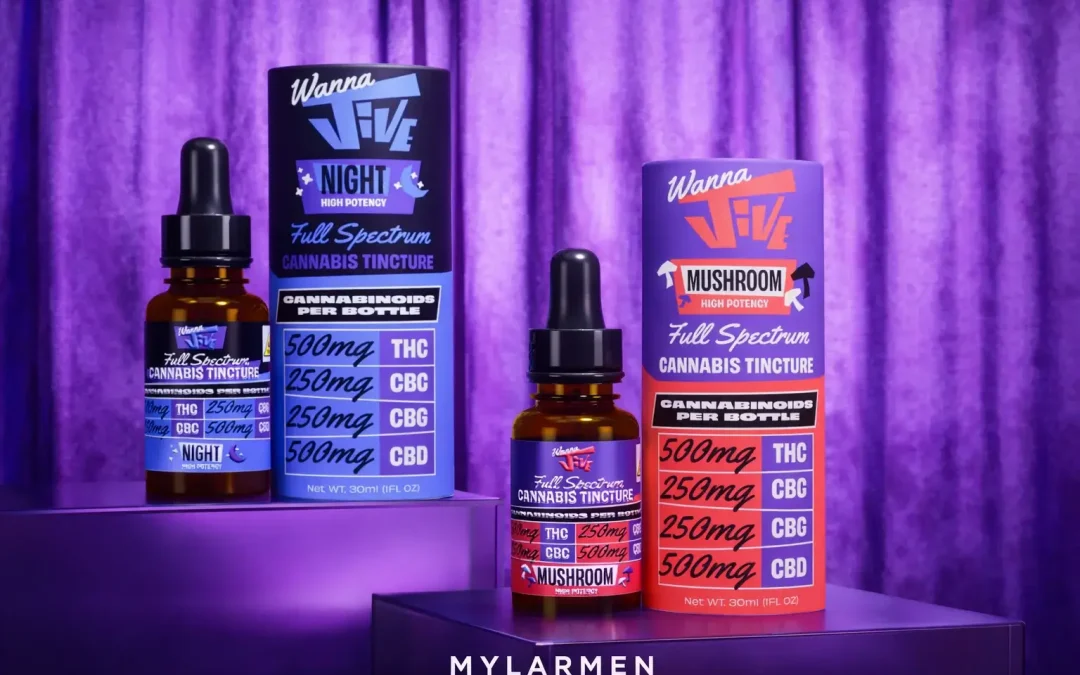
When you are selling medical cannabis in West Virginia, your packaging must not merely look good. There are certain regulations of the state regarding the packaging and labeling of products. These rules are supposed to protect patients, particularly children, and ensure that an individual is aware of what they are purchasing.
Making a wrong move could result in fines, rejected goods, or even time wastage in reaching the market. It is better to know the rules before you have to print thousands of labels.
This is a summary of the cannabis packaging regulations in West Virginia and their utilization.
Child-free packaging is not negotiable
West Virginia law is clear. Medical cannabis should be packaged in a child-proof system. This is in case of flower, edibles, concentrates, and other types of cannabis.
The packaging must be of federal standards. This is to say that children less than five should find it difficult to open, but not too challenging to adult. In case you have resealable bags, pouches, or containers, then test them first. Ordinary pill bottles are usually efficient, although they should be certified.
The rule deals with the whole supply chain. The product comes out of the dispensary in that container. None of transferring to something at the counter. The child-resistant package must be the one that the patient heads home with.
What has to be on the label
West Virginia demands a lot of information on the label. It is not only the brand-name and strain. You need to include:
- The name and address of the dispensary
- Name and form of the product (such as tincture, vaporizer, or edible)
- The weight or volume
- The content of THC and CBD is typically in milligrams
- Several batches and lots to be tracked
- The date it was packaged
- The expiration date
- A warning indicating that it is to be used only by registered patients
The text has to be readable. No microscopic fine print. Regulators should be in a position to examine the label without the use of a magnifying glass. Patients do too.
Warnings and symbols
Besides the bare minimum of information, there should be explicit warnings. It should be labeled like, “Keep out of reach of children.” It should also be cautious when using the product and afterwards operating machinery or driving.
The universal symbol of cannabis is also in need in West Virginia. It is normally a sign that distinctly identifies the product as being marijuana. Ask the state what image they want. Don’t guess. The misplacement of the symbol can have your product removed from the shelves.
What you can never do with branding
This is a pitfall of many companies. In West Virginia, there is a stringent regulation on branding and promoting on the package.
You can not make the packaging an appeal to the kids. It implies that it will be free of cartoons, bright candy-like coloring, and characters. When it resembles a bag of cereal or a bag of gummy bears, it cannot be allowed. The state does not want the children to mix cannabis products with normal snacks.
False or misleading statements are also not possible. Do not tell me that the product cures anything. Do not imply it is less risky or safer than it really was. Use a language that is factual and neutral.
The name of the product is also important. In case the name resembles candy or a sweet drink, you may get into trouble. Use names to define the strain or the effects in a simple manner.
Containers and materials
The way the product is packaged is as important as the label. It needs to be tamper-evident. This implies that the patient would be in a position to know whether the package was opened prior to his/her purchasing. An ordinary seal or a shrink band will do.
The product should also be shielded by the material. Cannabis can be deteriorated by light and air. Tinctures and oils are usually done in opaque or dark glass. Flowers are standard with mylar bags that have UV protection.
And never mind sustainability. Although not a mandatory requirement, an increasing number of patients are requesting recyclable or reusable packaging. Depending on whether you can locate child-resistant but eco-friendly containers, that is an advantage.
Testing and compliance
Any product to be sold must first be tested in a state-licensed laboratory before it is packed. The test results must be consistent with the label. And as long as the lab reports that the THC is 20 percent, you cannot claim that it is 22 percent.
After the product passes the testing, it receives a special batch number. Each and every package of that batch contains that number. It assists in tracing the product to the grower, all the way to the patient. In case of a recall, the state will be able to locate all packages with the same number within a short period.
Record all batches and all labels. Inspections happen. In case an inspector requests that you provide your records, you must present them.
Tips for staying compliant
Hire a West Virginia cannabis lawyer. Rules do not stay the same, and what was successful a year ago may not be successful this year. An excellent attorney does you right.
Sample orders before bulk-buying. Test the child-resistant mechanism. Ensure that the label adhesive is stuck. Ensure that the container does not leak. It is more economical to identify the issues in a sample compared to 10,000 units.
Add some extra time in production schedule. The approval of labels may take a long time when the state is supported. Do not leave your designs till the end.
Train your staff. Rules should be appreciated by every person who deals with packaging. A wrong label could be applied to the wrong jar by someone, and then the entire stock could be unsold.
Working within the limits
These rules can be easily viewed as barriers. They render the packaging costlier and restrict creativity. But they exist for a reason. The medical cannabis users must assume that they can trust that they are purchasing what is safe and labeled properly. Parents must be aware that their children will not open a package by mistake.
Those companies that perform well in West Virginia are those that can work within these limitations. They discover child-resistant wrappings, which are also professional-looking. They create labels that are comprehensible and acceptable yet familiar.
It takes more effort. However, good packaging provides a long-term reputation with the patients and regulators.