

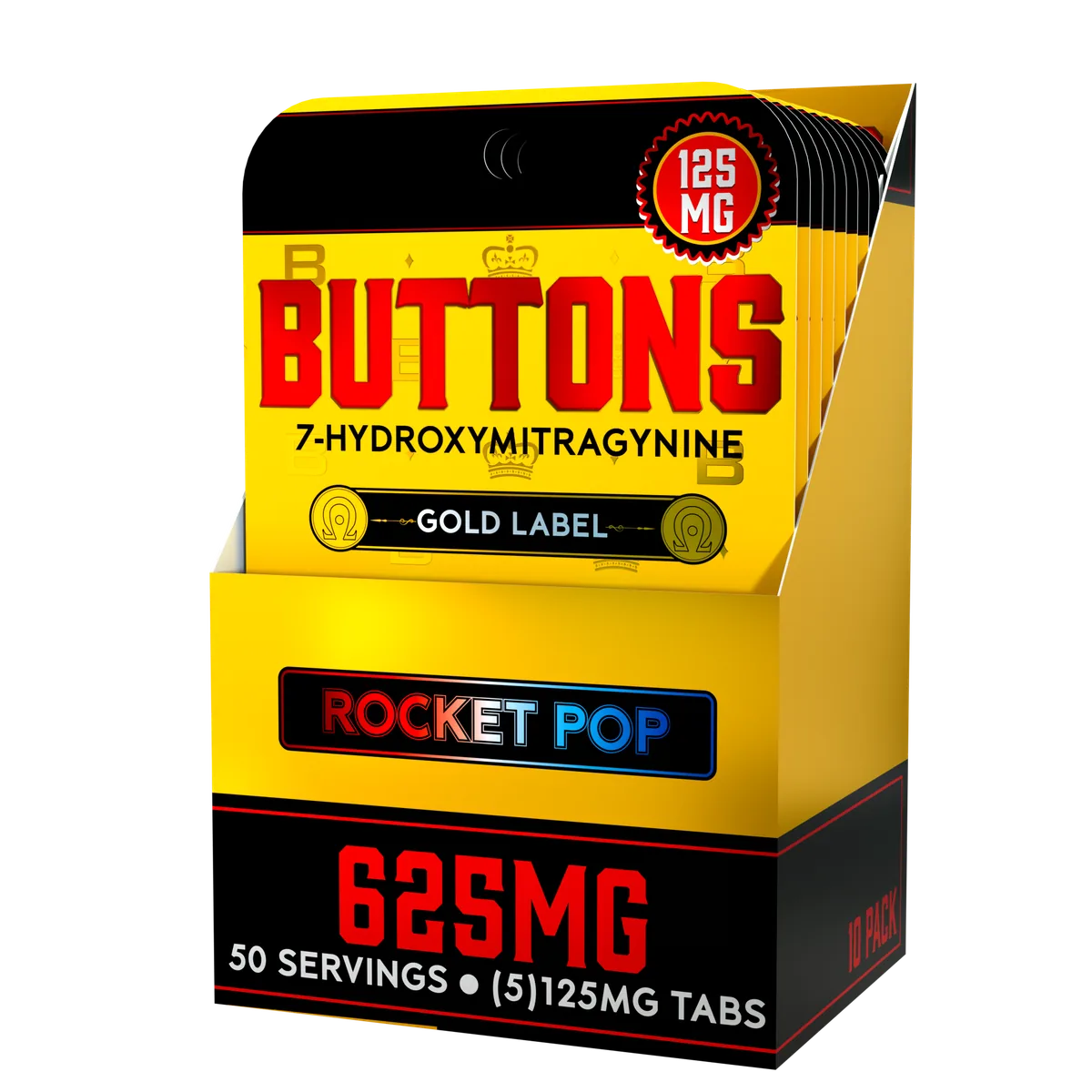
A 7-hydroxymitragynine branding brief involves product identity, readable information, and a consistent visual system. The name “7-OH” should not become a substitute for understanding the exact proposed product or the approved wording on its label. This resource describes the design questions a business should resolve before developing a packaging range.
Start with the FDA’s current 7-OH notice and qualified advice about the proposed formulation and destination. A brand identity does not authorize a product for sale or establish a health benefit.
Define the product before its personality
Write down the product name, ingredient description, format, intended audience, and the information that must appear on the package. Establish who approves that information. A creative brief can then explain the desired tone and visual references without changing the underlying facts.
Keep the brand name and product identity distinct. A memorable name may help someone recognize a range, while the product descriptor explains what a specific item is. Both should remain legible when the artwork moves from a large concept presentation to a small physical label.
Create a system that works across the range
Decide how the logo, product name, variant name, and approved numeric information relate to one another. Use repeatable positions and type sizes across formats. When the number of SKUs increases, this system can make it easier to check artwork consistently.
- Use a written name as well as color to distinguish versions.
- Keep units next to the amounts they describe.
- Allow enough room for longer names and market-specific text.
- Test the smallest label before finalizing the visual rules.
- Check the full range together so one design does not imply a different product category.
Keep claims separate from creative language
The FTC’s health-products guidance explains that both explicit and implied health or safety claims need appropriate support. That includes the message a package communicates as a whole. Medical imagery, a badge, or a treatment-oriented name can imply something even without a long written claim.
For a design review, maintain a list of approved statements and their sources. Do not add a benefit, certification-style mark, or suggested endorsement simply because it helps fill a panel. Review the logo, imagery, headlines, and label text together.
Design for the physical package
A brand system must fit the structure it will be printed on. Check curved labels, seams, folds, closure areas, and the space reserved for variable information. A layout that works on a flat screen may wrap a name out of view or put small text across an opening feature.
Use the confirmed dieline and review a full-size proof. If the package format changes, revisit the layout rather than assuming the same artwork can simply be reduced. Consider how an outer carton and its inner container identify the same product after they are separated.
Prepare a focused project brief
Bring existing brand assets, the approved product descriptions, the number of SKUs, the proposed formats, and references for the desired visual direction. Identify the decision-maker for creative approval and the person responsible for approving product information. Those inputs allow scope and deliverables to be discussed clearly.
Mylarmen’s broader branding resources and portfolio show the design context for that conversation. Continue with 7-hydroxy packaging formats and labels or the packaging review guide for the technical inputs behind a complete brief.