

Cannabis packaging design.
Identity and packaging artwork for cannabis and CPG brands. One studio in Montclair, from the brief through files the press can run.
What the work covers
A design engagement is a system for a line, not a single panel. It starts from the product and from copy your team has already approved.
Brand identity
Wordmark, color, type, and the rules that keep them consistent. Drawn for the smallest pack in the line, not only for a presentation board. A brand you already have is adapted, not replaced.
Packaging artwork
The same system, drawn across the formats the line actually ships. Front, back, and the panels that carry the copy. A pouch, a carton, and a label can share a hierarchy without sharing a template.
Structure and dielines
The artwork sits on a dieline drawn to the product. Folds, seals, caps, and glue areas are marked before the layout is finished. Fit, opening, and assembly are the subject of structural packaging design.
Variant systems
Strain, flavor, and strength need a fixed place. Color can mark the difference. The name still has to read when the color is gone. One master, then the fields that change from SKU to SKU.
Label layouts
Built from copy your team has reviewed. Warnings, cannabinoid lines, and batch fields keep a place. The layout does not certify that the pack meets a market’s rules.
Files, mockups, proofs
A mockup for the review, then files the press can run. The proof is checked before production. When the job stays here, the same team stays on it.
How a project runs
Brief, concepts, revisions, print-ready files, then production with the same team when the job stays here. Tell us the line and when you need it. We’ll come back with a plan, a timeline, and a quote.
Brief
The product, the formats, the SKUs, and the copy that is already approved. Open questions stay marked, so a missing line does not get invented.
Concepts
Directions for the identity and the pack, reviewed on the real dieline and against the longest name in the line.
Revisions
The chosen direction is tightened. Type, color, and the fields that change are checked at actual size, including the seam, the fold, and the cap.
Print-ready files
Approved artwork, exported for the press, with the dieline and the notes the printer needs. What is still open stays marked.
Production
Produced with the same team when the job stays here. One contact from the approved file through the run. The timeline comes back with the quote.
One partner, for the line
A company with several brands, or one brand with a long list of SKUs, usually meets the same problem twice. The pouch, the box, and the label were drawn apart, then handed to a printer who never saw the brief. The type shifts. The strain color does not match. A late line of copy lands on the seal.
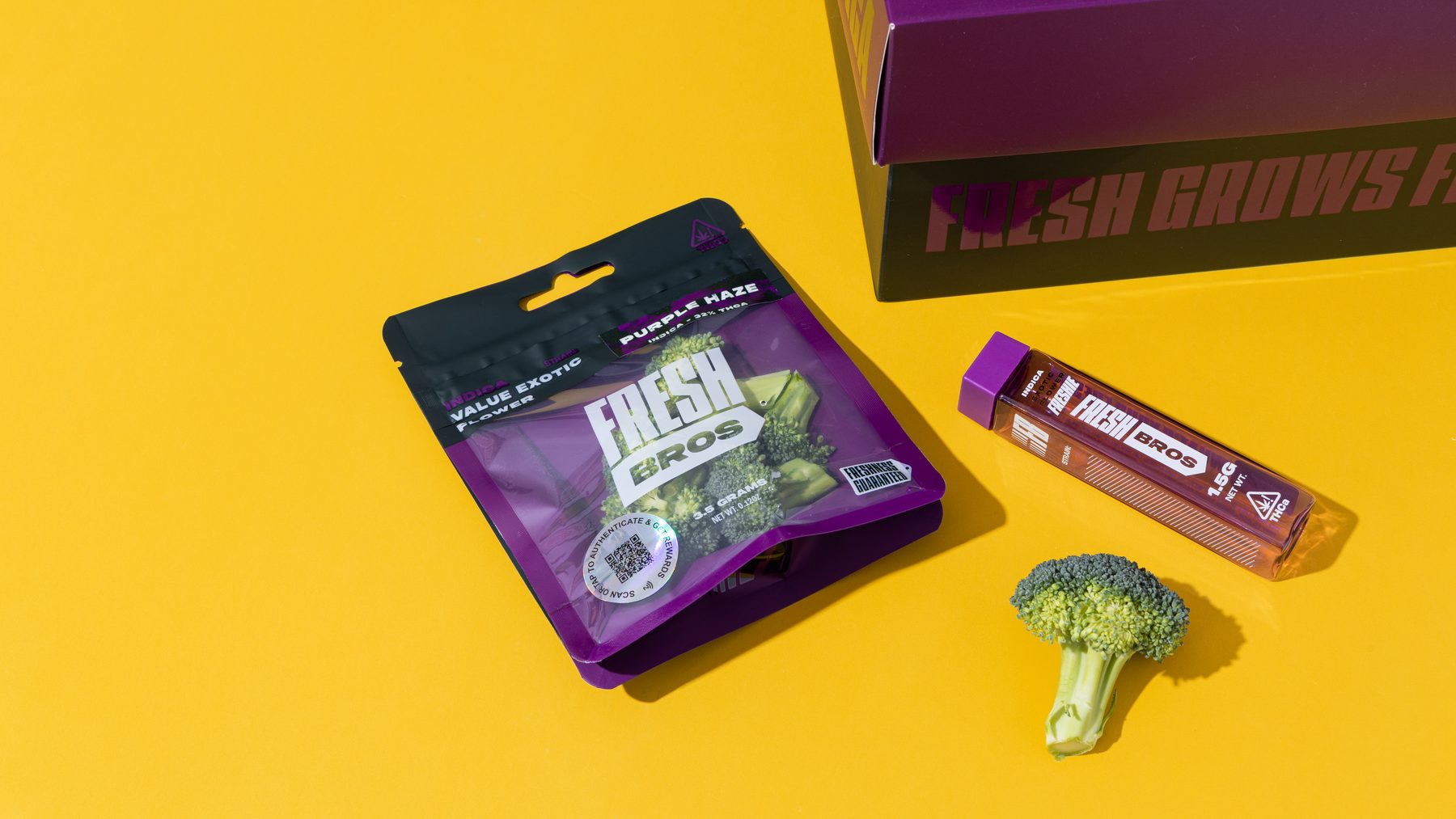
Design and production sit together. Designers and packaging specialists share the brief, so a layout that looks right is one that can be printed. Fresh Bros keeps one wordmark on the pouch, the pre-roll tube, and the counter box. The identity, the dieline, and production stay with one team.
Minimums flex with the format, the finish, and the number of SKUs. There is no published price list and no single minimum. Ask for a quote with the product and the quantity.
The formats it covers
The system is drawn onto the formats we produce. A printed pouch is scoped on custom mylar bags. A label for a jar, a tube, or a carton is scoped on custom cannabis labels. Boxes and cartons are paper box packaging.
Pre-rolls start from fit, on pre-roll packaging. Gummies and other edibles are gummy packaging design. A cartridge, a disposable, and the carton around them are vape packaging. The wider range stays in packaging design and production.
Selected work
Four projects already on the shelf. Each links to the full case.
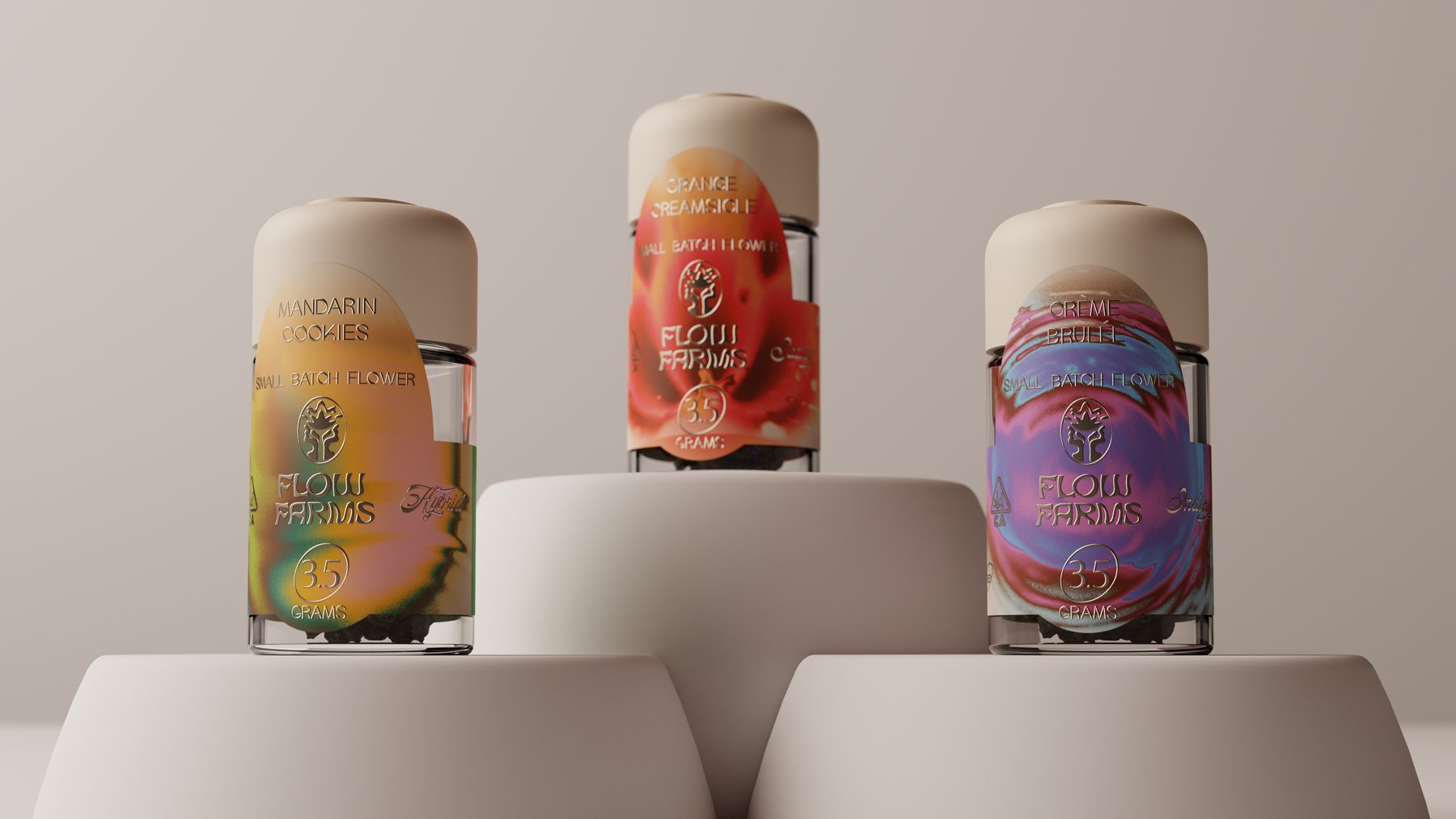
Flow Farms
A blossom mark and three strain colors, carried onto the 3.5 g jar.
View the project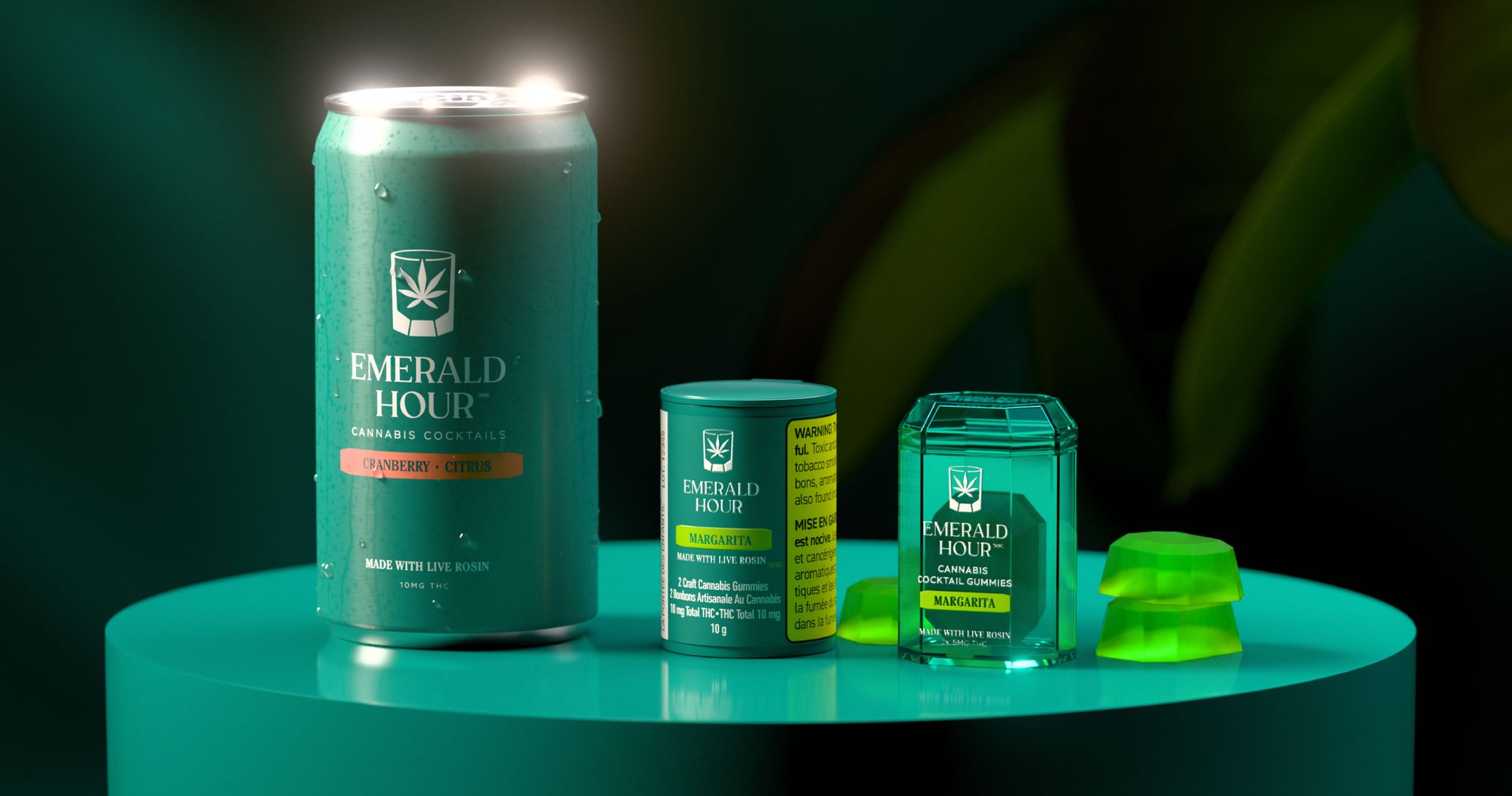
Emerald Hour
Three formats, one wordmark. The flavor is a bar, not a new logo.
View the project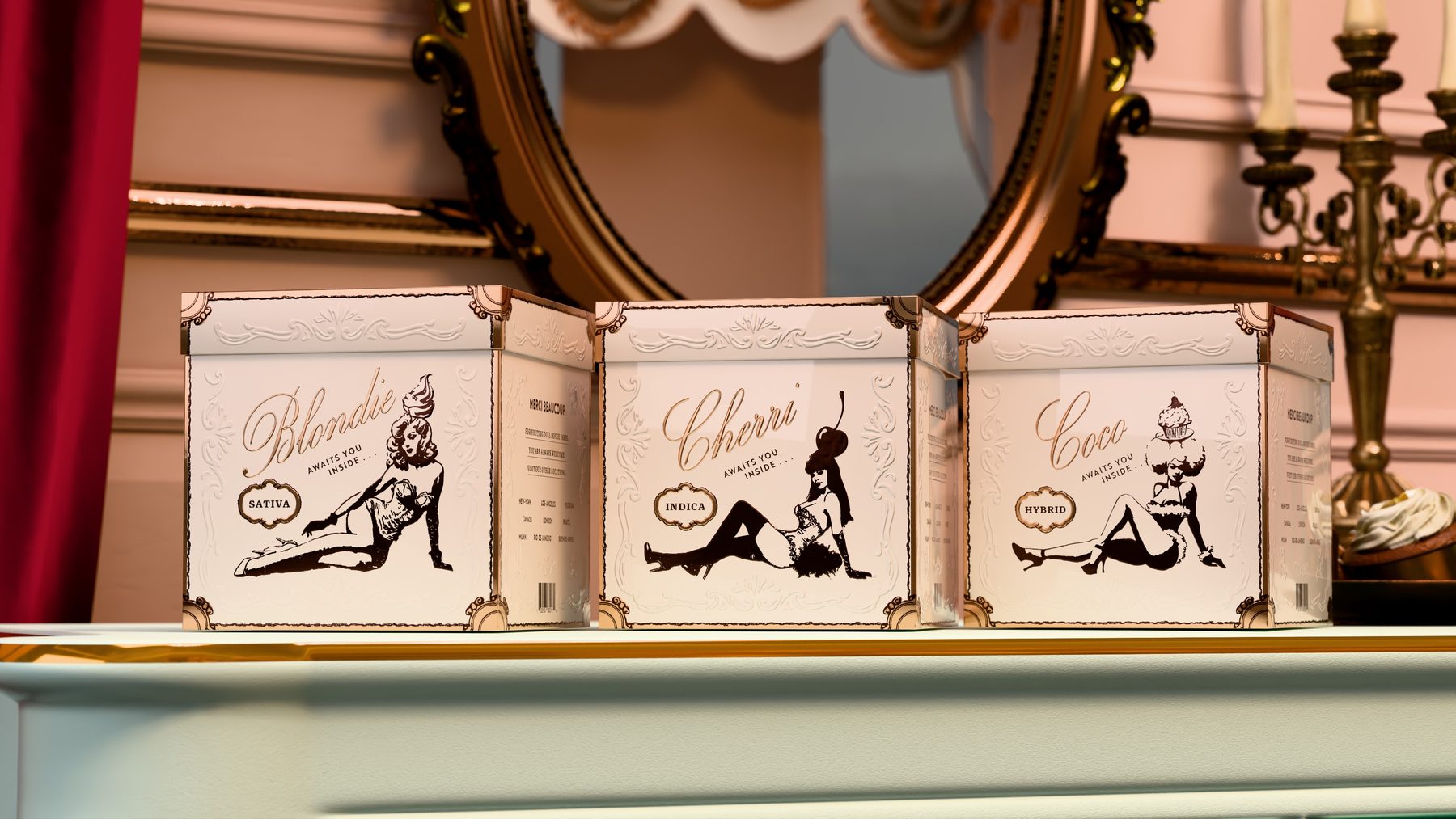
Doll House
Blondie, Cherri, and Coco. Three strains, one box system.
View the project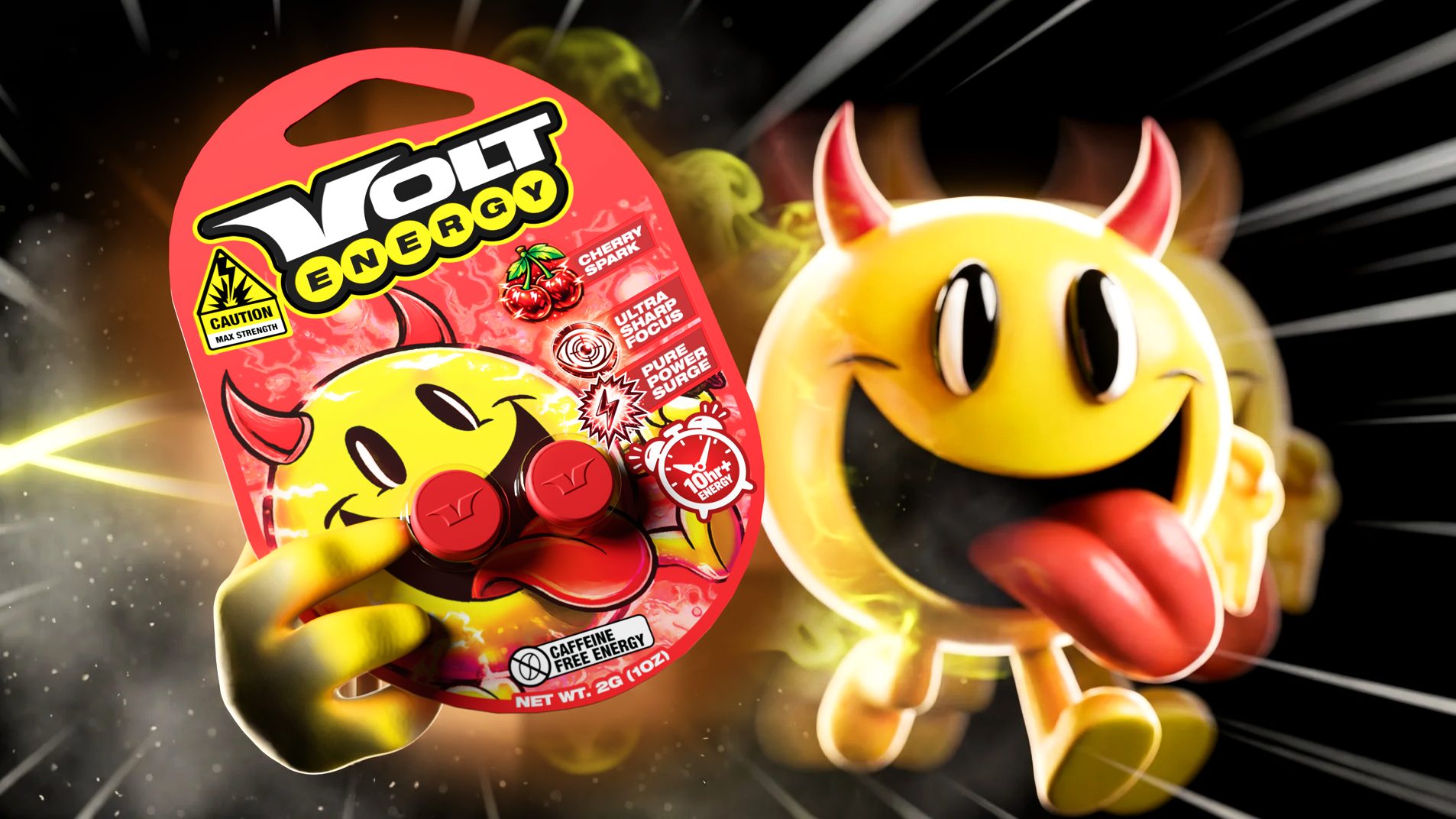
Volt Energy
A CPG line. Wordmark and mascot, drawn onto a die-cut blister for a caffeine-free energy tablet.
View the projectQuestions buyers ask
What does a packaging design engagement include?
Brand identity, or an existing identity adapted to the pack. Artwork across the line. Dielines. A system for strains, flavors, or other variants. Label layouts built from copy your team has reviewed. Mockups, proofs, and print-ready files. Production stays with the same team when the job stays here.
Can you work from a brand we already have?
Yes. Send the marks, the type, and any rules you already use. The work is then the packaging system: how that identity sits on each format, and how the variants stay consistent.
Do you design for more than one brand at a time?
Yes. A company with several brands can keep each one in its own system and still have one contact for the files and production. A single brand with a long SKU list is the same kind of job.
Will the design meet labeling rules?
The layout is built around the requirements in your brief and around copy your team has approved. We do not guarantee that a design meets a state’s rules. Your compliance team, or the adviser for that market, confirms the text before production.
Which formats can share one system?
Pouches, boxes and cartons, labels, pre-rolls, gummies and other edibles, and vape or cartridge packaging. The format follows the product. A layout drawn for a pouch front is not reused unchanged on a jar or a cartridge.
How do we start?
Send the product, the formats, and the number of SKUs through the contact form, or email info@mylarmen.com, or call 1-908-858-2817. The studio is in Montclair, New Jersey. A person replies within one business day.
Ask for a quote.
Tell us the brands, the formats, and when you need files or finished packs. We’ll come back with a plan, a timeline, and a quote. Or call 1-908-858-2817 · info@mylarmen.com. Montclair, New Jersey.